
Tilly’s reflections from SimCorp’s global summit
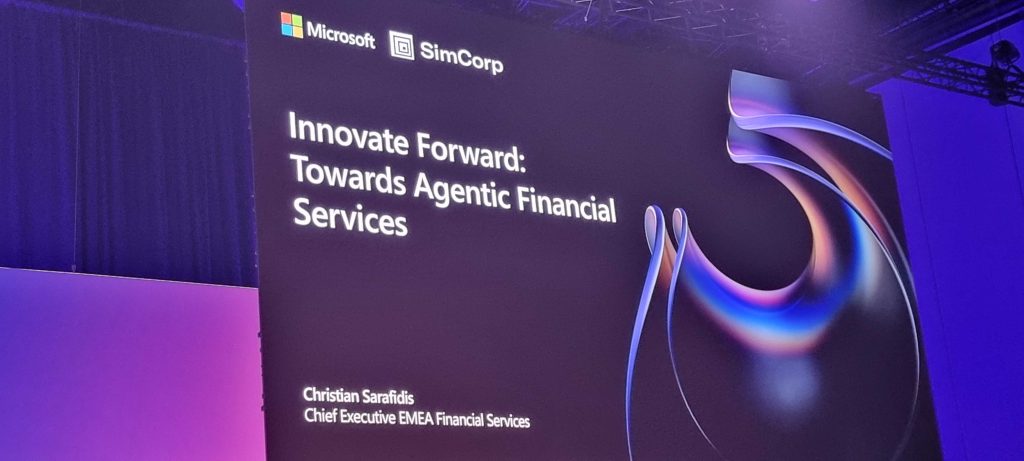
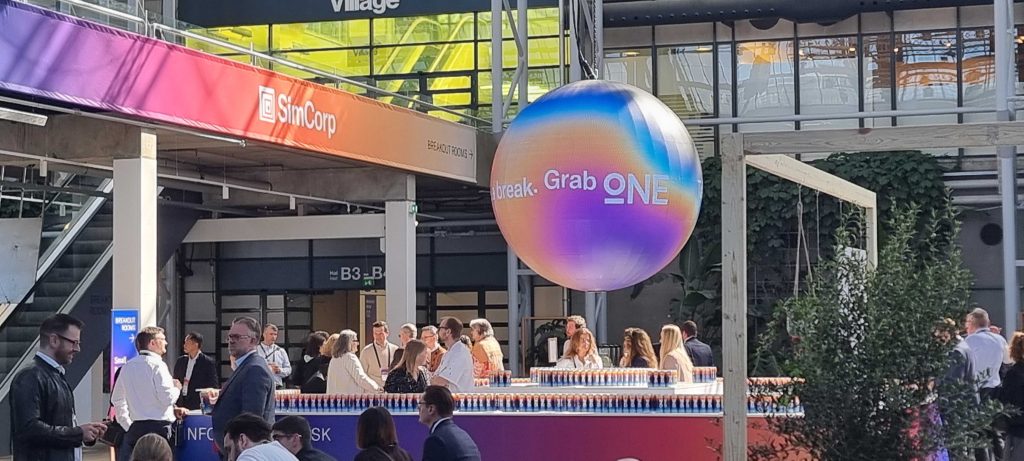
Three days in Copenhagen at the SimCorp Global Summit, surrounded by nearly 1,400 peers from across the investment management industry. The agenda was packed with keynotes, product demonstrations, and bold statements about the future of investment management. Artificial intelligence, transformation, operating models, none of it was new. Yet, what stood out wasn’t what was said on stage, it was what surfaced, almost unintentionally, in between.
During one of the keynotes, a live poll was put to the room, with a very simple question: “Where are you on AI adoption?”
The answer was revealing. The majority of the room, senior leaders from some of the most sophisticated institutions, were still exploring or piloting.
The result introduced a different kind of clarity. It exposed the gap between how the industry talks about change publicly and where it actually is in practice. This gap matters.
The reality beneath the narrative
One of the most valuable sessions came from a client panel. Four firms, different markets, different scales, but a shared experience. Technology, almost unanimously, was not the point of failure.
Instead, the constraint was organisational.
As one COO put it: “Change moves at the speed of trust.”
It’s a familiar idea, but hearing it stripped of slides and frameworks made it land differently. Transformation isn’t stalled by lack of ambition or even capability; it’s slowed by alignment, confidence, and the willingness to move together.
We talk about transformation constantly with ease but we almost never talk about the things that did not work.
Usain Bolt later told a story that reinforced the same theme. Early in his career, his coach told him, “You have to learn how to lose before you can learn how to win.”
It’s a principle that feels underrepresented in financial services. We talk comfortably about transformation, but far less about the attempts that didn’t work and the learning that comes from them.
Realists vs Disruptors
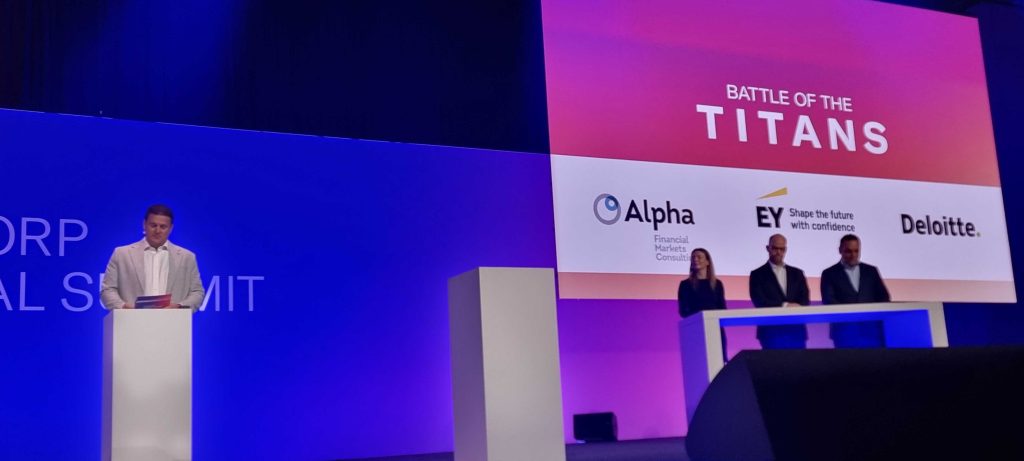
The summit closed with a debate on AI, private markets, and consolidation. The audience consistently sided with the realists over the disruptors. And at a conference centred on change, that was quietly telling.
There’s a natural caution in this industry which is often justified. But there’s also a risk that “sensible waiting” becomes a default position rather than a deliberate strategy.
Which raises an important question:
Is your organisation actively moving, or confidently waiting? And how clear are you on the why?
Bridging the gap between talk and action
At it|venture, this is exactly where we see organisations struggle: not in defining strategy, but in translating it into execution.
The themes from the SimCorp conference align closely with what we see across our work:
- Technology is rarely the blocker – most firms already have access to the tools they need.
- The operating model clarity is often missing – roles, responsibilities, and decision-making frameworks are not always aligned to the ambition.
- Trust and change readiness determine pace – transformation succeeds where organisations create the conditions for people to move with confidence.
This is where structured delivery, clear workstream ownership, and pragmatic change approaches make the difference. Not just defining what transformation looks like, but building the path to get there with transparency and with room to learn.
Final thoughts from the conference
The most valuable takeaway wasn’t just in any single session. It was the realisation that much of the industry is still earlier in its transformation journey than the narrative suggests.
The realists may have won the room. But whether they’re right is still an open question.
And perhaps the more important one is this:
What would it take for your organisation to move with greater conviction?

Tilly Wijiesuriya
Director of Professional Services